
Madagascar
Parfum d'Empire
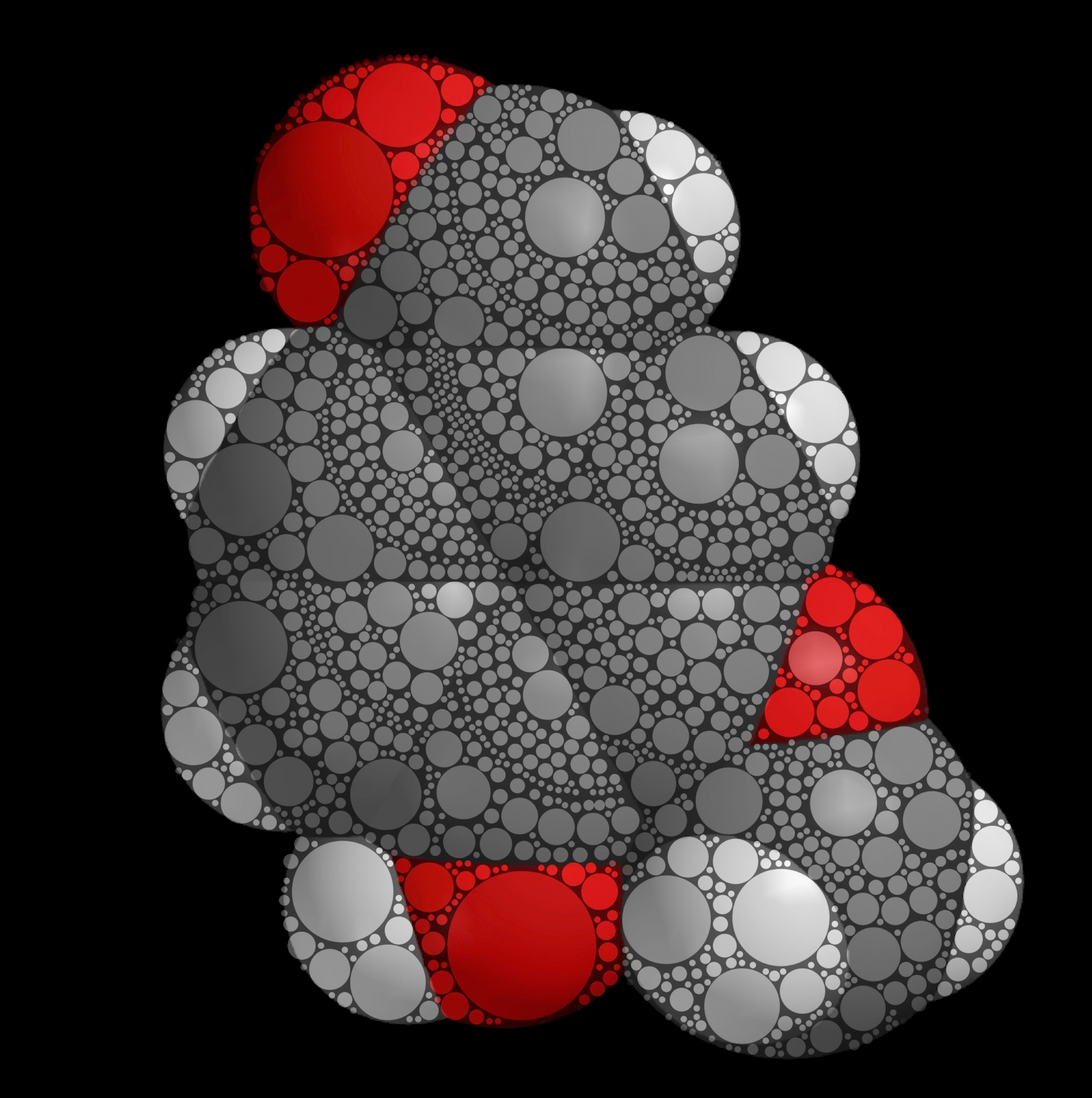
Like all who survey the world from the top of the Dunning-Kruger idiot curve, I thought the reason fresh vanilla pods were odorless and the cured ones smelled great was because fermentation created vanillin ex novo from some precursor chemicals in the fresh stuff. Wrong: fresh vanilla already contains all its vanillin, but each molecule of it is attached to a molecule of sugar that prevents it from flying up into your nose. The vanillin in a fresh vanilla pod would kill the pod itself if unshackled from the sugar, because vanillin is meant as a defence against bacteria and yeasts and is not good for plants either. Cleverly, the pod releases the vanillin from the sugar only wherever it is wounded or damaged, to kill the bacteria at the point of entry.
There is something strange about vanilla materials. The more natural they are, the more they diverge from the perfumery ideal. Chemically pure vanillin and—even more so—ethylvanillin are the very soul of vanilla. By contrast, every time you buy vanilla pods in a jar, what you get is a mystifying smell of old books, smoke, prunes and, as it happens, vanilla. Vanillin is not gourmand(e), vanilla is. Dark vanilla pods contain a lot more than just vanillin. Their processing generates guaiacol, which gives a smoky smell of cough syrup, and furaneol, whose smell profile is described as “at the intersection of caramel, strawberry jam, cotton candy, and pineapple.”1
Now to Madagascar. It sits exactly midway between the vanilla of chemistry and the vanilla of pods, but without deviating from the line that joins them. It is probably close to the original “dirty” impure vanillin that the chemists at de Laire made specially, and at a higher price, for Jacques Guerlain to put in Shalimar. Marc-Antoine Corticchiato explains that this seemingly simple thing was hard to achieve and required tincture, vanilla absolute and CO2 extracts. The effect is to reduce the off-notes of real vanilla to a whisper that quietly says real. Madagascar makes this most comfortable of all smells interesting enough to wear all day without ever raising its voice. Beautiful work.
ChatGPT 5.1 in lyrical mode.
Your description of vanilla pods in a jar speaks to why we find many phenolic, smoky or animalic materials work so well with vanilla, as well as some fruity materials like Prunella base. I am less impressed with Marc's struggle with rendering vanilla though, I would rather see him attempt and understand the struggle of making a floral as polished and round as say, Calice's Beyond Paradise.
i Profumi di Firenze Vaniglia Del Madagascar is the rare vanilla I love to wear, but I cannot wear it at work. It somehow has the power to make me throw down my pen and summon Fabrizio to bring wine!